My First Bitter
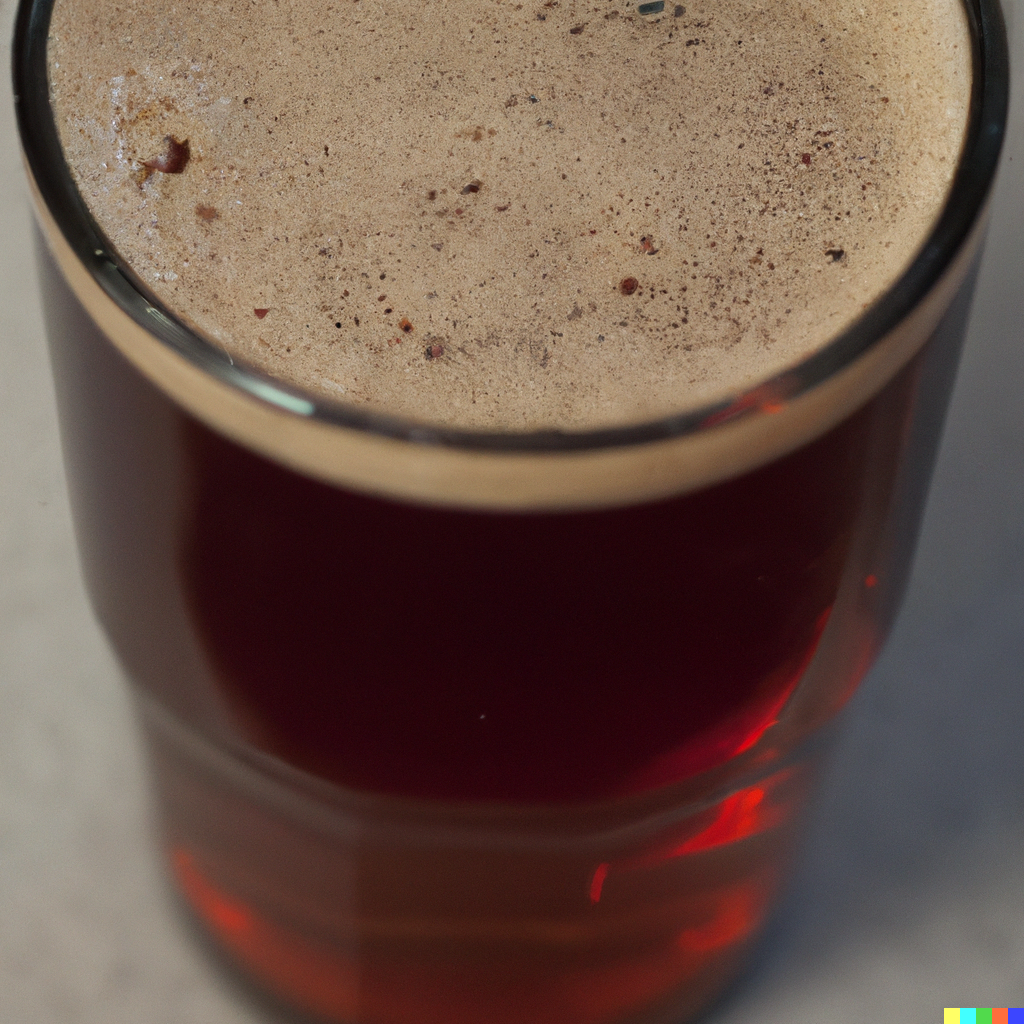
Welcome, fellow beer enthusiasts and homebrewers! Today, we embark on an exciting journey through the process of crafting a delightful homemade Bitter-style beer, from the original recipe to the eagerly anticipated moment of tasting.
Choosing the Recipe
The Bitter-style beer is a beloved classic, known for its balanced bitterness and malt-forward character. For this brewing adventure, we've selected a traditional English Bitter recipe that will transport us to the quaint pubs of the British countryside.
The Ingredients
To produce an authentic Bitter, we'll need the finest ingredients. Here's the list we'll be working with:
- Malts: A combination of pale malt, crystal malt, and a touch of roasted barley for color.
- Hops: English hops like East Kent Goldings for bitterness and aroma.
- Yeast: An English ale yeast to bring out those characteristic fruity esters.
- Water: As always, good water is the foundation of great beer.
- Priming Sugar: To carbonate the beer in the bottle.
The Brewing Process
Mashing: In a large container called the mash tun, we'll combine the pale malt and hot water, allowing the natural enzymes to convert starches into fermentable sugars. We'll add the crystal malt for some complexity and color.
Sparge: After the mashing process, we'll rinse the mashed grains with hot water in a process called sparging, to extract all the sweet goodness.
Boiling: We'll transfer the sweet liquid, called wort, into a brew kettle and bring it to a rolling boil. During the 60-minute boil, we'll add the bittering hops for that characteristic bitterness.
Aromatizing: Towards the end of the boil, we'll add the aroma hops to infuse delightful hoppy aromas into the beer.
Chilling: After the boil, we'll rapidly cool down the wort to the ideal fermentation temperature.
Fermentation: Once the wort is cooled, we'll transfer it to a fermentation vessel and add the English ale yeast. Over the course of about a week, the yeast will work its magic, converting sugars into alcohol and producing those fruity esters we love.
Bottling and Carbonation
When fermentation is complete, it's time to bottle our Bitter-style beer. We'll add a small amount of priming sugar to the beer before bottling, allowing natural carbonation to occur during conditioning.
Bottling: Carefully, we'll fill sanitized bottles with the matured beer, making sure to avoid any sediment.
Priming: Adding a small amount of priming sugar to each bottle, we'll cap them to create a closed environment for carbonation.
The Patient Wait
As any homebrewer will tell you, patience is a virtue in brewing. Our Bitter-style beer needs time to mature and develop its flavors. We'll let it condition in the bottles for a few weeks, during which it will undergo subtle changes, resulting in a more refined taste.
The Moment of Truth: Tasting
Finally, the day has come – it's time to taste our labor of love. As we crack open a bottle, the inviting aroma of malt and hops fills the air. The first sip reveals a beautiful balance of toasted malt sweetness and a gentle bitterness, characteristic of a true Bitter-style beer. The mouthfeel is smooth and medium-bodied, with a pleasant carbonation level that complements the overall experience.
Conclusion
Crafting a homemade Bitter-style beer is an adventure that pays off with each satisfying sip. With a few simple ingredients, the right techniques, and a passion for brewing, you can create a beer that embodies the essence of this classic style. So, raise your glass to your brewing skills and the joy of savoring a homemade Bitter. Cheers!