CFC HERMS
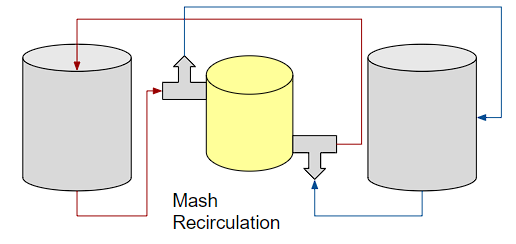
Homebrewing is a fascinating and rewarding hobby that allows enthusiasts to craft their own beer. As technology and techniques evolve, new methods are introduced to streamline the brewing process and improve its efficiency. One such innovative approach involves utilizing a single heat exchanger not only for cooling the wort after boiling but also for heating it during mashing. In this article, we will explore the benefits of this single heat exchanger system and compare it with traditional RIMS, HERMS, and Kettle RIMS setups.
The Single Heat Exchanger System
The single heat exchanger system involves the use of a single heat exchanger for both cooling and heating processes during homebrewing. This heat exchanger is designed to handle two critical stages of the brewing process:
Cooling: After the boiling phase, the hot wort is rapidly cooled using the heat exchanger to achieve the desired temperature for yeast fermentation.
Heating: During the mashing phase, the heat exchanger is utilized to heat the strike water and maintain the desired mash temperature.
The Advantages of Using a Single Heat Exchanger for Homebrewing: A Comparison with Traditional systems
Advantages over Traditional RIMS System
RIMS, which stands for Recirculating Infusion Mash System, is a popular method for maintaining mash temperature through recirculation. However, the single heat exchanger system offers several advantages over traditional RIMS:
Simplicity: The single heat exchanger setup eliminates the need for additional equipment, such as a separate RIMS tube, pumps, and additional heating elements, making it easier to set up and operate.
Cost-Effectiveness: With fewer components required, the single heat exchanger system is generally more cost-effective, making it a budget-friendly option for homebrewers.
Reduced Risk of Mash Scorching: RIMS systems are known to have a higher risk of scorching the mash due to direct contact with heating elements. In contrast, the single heat exchanger system minimizes this risk as the wort is heated indirectly.
Advantages over Traditional HERMS System
HERMS, or Heat Exchanged Recirculating Mash System, is another popular technique for maintaining mash temperature. The single heat exchanger system offers certain advantages over traditional HERMS setups:
Simplicity and Space Efficiency: HERMS systems typically require additional equipment, such as a separate hot liquor tank and tubing for recirculation. The single heat exchanger system saves space and simplifies the setup.
Faster Temperature Adjustment: The single heat exchanger system allows for rapid and precise temperature adjustments during mashing, enhancing the brewer's control over the process.
Advantages over Traditional Kettle RIMS System
Kettle RIMS, or K-RIMS, is a variant of the RIMS system that employs a RIMS tube installed directly in the kettle. The single heat exchanger system offers certain advantages over traditional Kettle RIMS:
Flexibility: The single heat exchanger system can be easily adapted to different kettle sizes and configurations, providing more flexibility for homebrewers.
Improved Wort Cooling: With a dedicated heat exchanger for cooling, the single heat exchanger system ensures rapid wort cooling after boiling, which is crucial for preserving hop flavors and aromas.
Conclusion
The single heat exchanger system for homebrewing, which serves both cooling and heating purposes, offers several advantages over traditional RIMS, HERMS, and Kettle RIMS setups. With its simplicity, cost-effectiveness, reduced risk of scorching, and enhanced control over temperature adjustments, this innovative approach is becoming a popular choice among homebrewers seeking efficiency and ease of use.
As technology continues to advance in the world of homebrewing, the single heat exchanger system represents a significant step forward, allowing homebrewers to create outstanding beers with greater convenience and precision. Cheers to the joy of homebrewing and the endless possibilities of innovation!